
The Talon
Vol. 1 | Ed. 17
Gender Justice: Cross-Border Fight for Women’s Rights
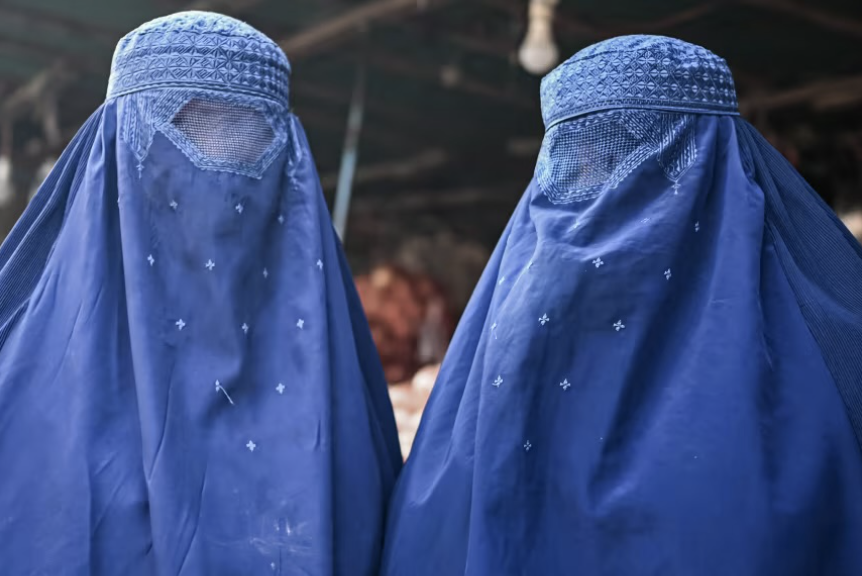
In many countries, women’s rights are being taken away overnight. For many of us, we have the privilege of our natural rights (life, liberty, and property) because we are privileged. We cannot be silent about what is happening to women all across the globe.
This crisis is a profound moral challenge. As Dr. Martin Luther King Jr. famously reminded us, “None of us are truly free until all of us are free.” For any woman watching this crisis continue, it hurts to know that these women have to suffer.
These basic liberties are being taken away from women in cross-border countries. It is a reminder of how we live in a male-dominated society and how multiple generations of women fought a grueling, everyday battle to secure human rights. Particularly in Afghanistan, Iran, Iraq, and Pakistan, women face injustice, inequality, neglect, and abuse.
This matters because we have the right to freedom of speech and have the privilege to educate others, and as Sheryl Lee Ralph says, “Just because you have rights today does not mean you will have rights tomorrow.”
Reflecting on the current reality under the restrictions they have to follow, it brings a mixture of disbelief and intense anger. Unfortunately, women in Afghanistan have lost their fundamental rights, such as stepping outside or choosing what they wear.
This systematic oppression raises the question: Why are women continuously subjected to abuse and neglect? Shifting our anger toward global inequality, it is frustrating to hear the lack of advocacy considering the scale of this global tragedy. Not enough people in the world care enough to speak on behalf of those who are unable.
According to CNN.com, “formal decrees issued by the Taliban have forced Afghan women to cover their faces entirely and wear full-coverage burqas whenever they leave the house,” further transforming the life of an Afghan woman. Beyond forcing them into physical concealment, they have also enforced that girls' high schools are to be shut down, taking away their right to education—denying them intellectual growth, financial independence, and self-determination.
Even when faced with heartbreaking oppression, the international community cannot afford to remain passive spectators. There are practical ways to help combat this trajectory. Everyone can help by spreading verified information relating to this oppression to ensure how these women were treated is never forgotten. We can also actively support and fund international advocacy organizations that work on humanitarian relief.
True change requires us to speak up, leverage our personal platforms, and pay attention to the coverage of the media we consume. By ignoring this tragedy, we are wasting our privileges that could ultimately lead to action and global advocacy. The importance of making an impression on the world is that it may lead to something bigger and benefit those who don’t receive their basic rights.